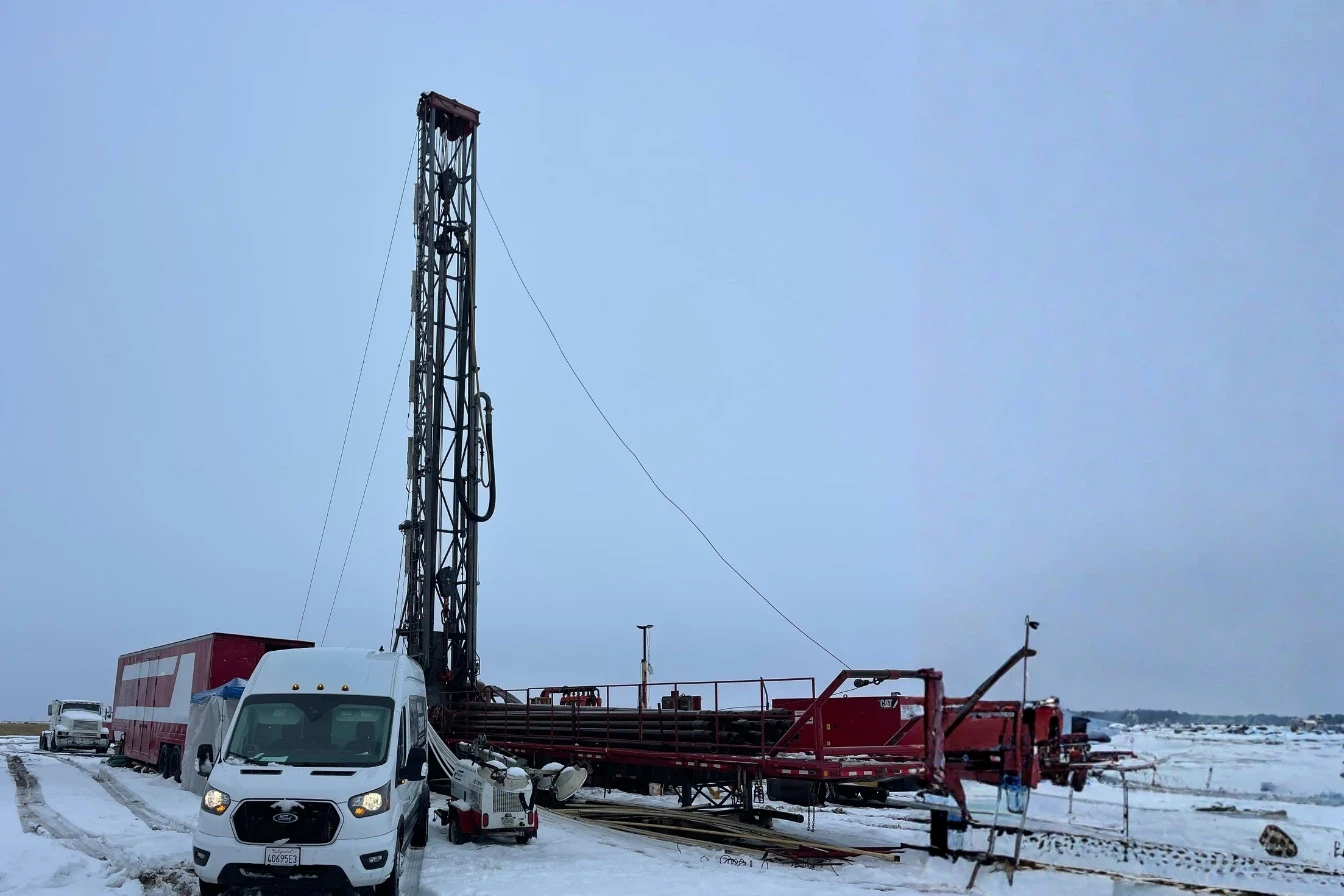

See exactly what is happening inside the casing before you commit to rehab, replacement, or new construction.

Clear visuals that remove guesswork from well problems
Ronnie Stewart brings over 28 years of hands‑on water well drilling and geophysical surveying experience

Fast, field‑ready footage delivered in contractor‑friendly formats
We coordinate directly with your crews to fit logging, video inspection, and verification into your drilling schedule
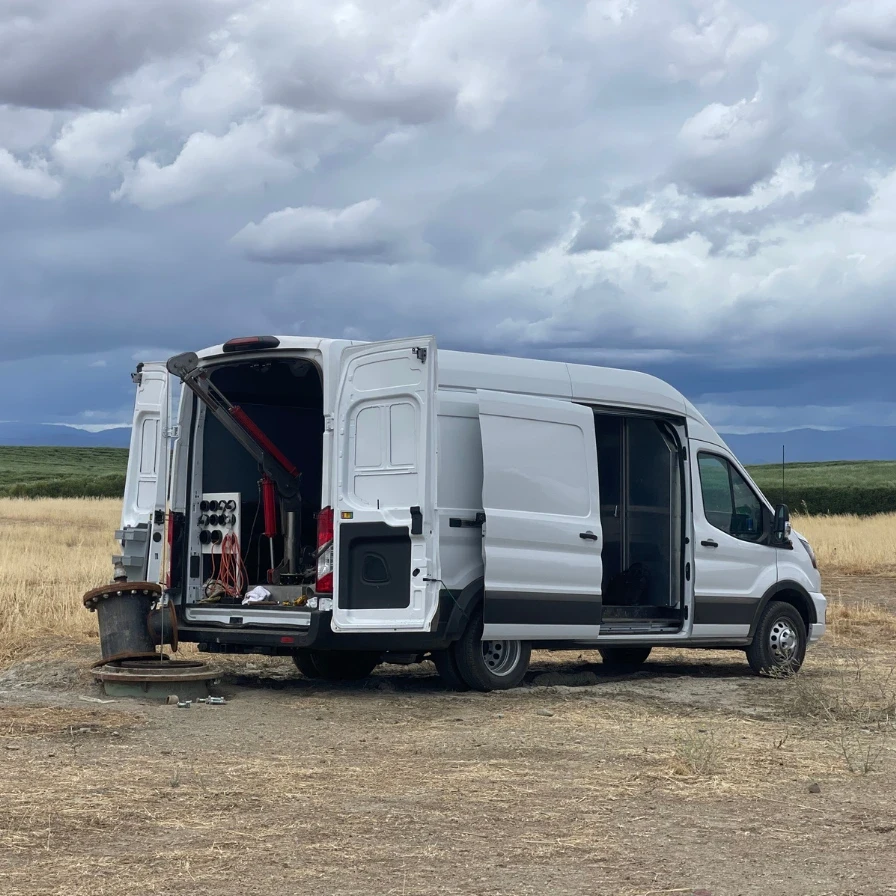
Related services: Geophysical Well Logging · Formation Analysis & Reporting · Well Construction Verification
What’s included in a well video inspection
A downhole camera survey shows you exactly what is happening inside the well, from top to bottom. Every inspection includes:
High‑resolution downhole video through the casing and screen
Depth‑tagged footage so problems can be located precisely
Identification of casing damage, screen plugging, obstructions, and debris
A rig‑side review of what the camera found and what it means for the job
Video pairs naturally with geophysical logging and construction verification, and the footage feeds directly into formation analysis and reporting when you need documented recommendations.
When to schedule a video inspection
Contractors and pump crews call for video before committing to rehab or replacement, when a well starts producing sand, loses yield, or behaves unpredictably, when verifying new construction, and before abandoning a well. Seeing the inside of the casing turns guesswork into a targeted plan. We serve all of California, with select projects in neighboring states.
What you receive
You get the full recorded video plus a written summary of findings with depths, so owners, engineers, and regulators can see the same evidence you do. If rehab is the next step, the footage shows exactly where to focus.
Well video inspection FAQs
Does the pump need to be pulled before the inspection?
Usually yes — the camera needs a clear path down the well. We coordinate timing with your crew so the well is ready when we arrive.
What if the water in the well is cloudy?
Murky water can limit visibility. Depending on the well, letting it settle or flushing before inspection can make a big difference — we’ll talk through options when you schedule.
Can video find where sand is entering?
In many cases, yes. Depth‑tagged footage often reveals damaged casing, failed screens, or open joints that explain sand or debris problems.
Is video useful on brand‑new wells?
Yes — many contractors run video to verify screen placement and construction quality before handing the well over, and to create a baseline record of its condition.